Stump Grinding vs. Stump Removal: Which Do You Need?

By Aaron Stirratt, co-owner
Aaron runs Whitetail Tree Services with his brother Corey, handling small tree removal, felling, trimming and stump grinding across Fort Wayne and surrounding areas.
September 29, 2026
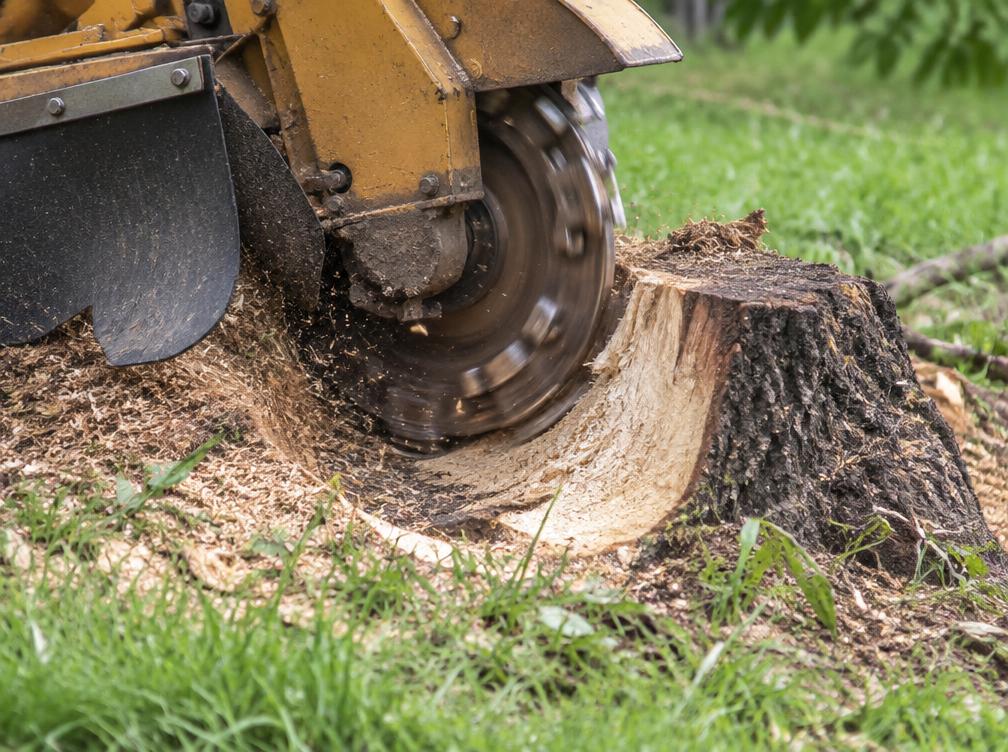
For most yards, stump grinding is the better choice: it's faster, cheaper and leaves a level spot you can seed over. Full stump removal (pulling the root ball) only makes sense when you're building, pouring concrete or digging right where the tree stood.
What stump grinding is
A grinder uses a spinning toothed wheel to chew the stump into chips, typically down to about 13 inches below ground. The roots stay in the soil and break down naturally over the next several years.
What stump removal is
Removal means digging out or pulling the entire stump and main root system, usually with an excavator. It leaves a large hole that needs backfilling and often tears up surrounding lawn.
Side-by-side
- Cost: grinding is usually a fraction of the cost of full removal.
- Yard damage: grinding disturbs a small area; removal can tear up a large one.
- Time: most grinding jobs take under an hour per stump.
- Replanting: after grinding, you can seed or sod the same season. Planting a new tree in the exact spot is easier after removal or by shifting a few feet over.
- Construction: footings, patios and additions need the roots gone — that's when removal wins.
Will the stump grow back after grinding?
Some species, like silver maple, willow and tree-of-heaven, can push up sprouts from leftover roots. Mowing or clipping them for a season usually ends it. Ash and most evergreens rarely resprout.
Our recommendation
If you just want the stump gone and grass back, grind it. If you're about to build or pour on that spot, tell us — we'll talk through whether deeper grinding is enough or whether you need an excavator.